Vape vs Cigarette 2026: What US Wholesale Distributors Need to Know
A data-driven comparison of disposable vapes versus traditional cigarettes — market trajectory, unit economics, regulatory landscape, and wholesale strategy for 2026 and beyond.
Disposable vapes now command 61.3% of the US nicotine delivery market, while cigarette volumes declined 8.2% year-over-year. For wholesale distributors, this shift is not a trend to watch — it is the single largest portfolio reallocation opportunity in tobacco retail since the rise of filtered cigarettes in the 1960s. The margin differential tells the story: wholesale disposable vape gross margins average 55–80%, compared to 25–35% for combustible cigarettes.
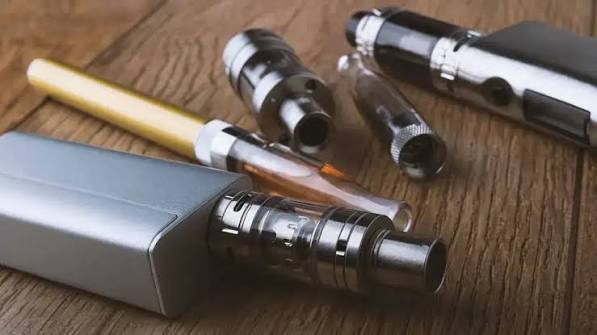
The shift from combustible cigarettes to disposable vapes continues to accelerate across US wholesale channels
In This Guide
1. Market Snapshot: Vape vs Cigarette in 2026
The numbers tell an unambiguous story. The US disposable vape market reached $8.2 billion in wholesale value during H1 2026, while combustible cigarette wholesale revenue fell to $42.1 billion — down from $45.8 billion in H1 2025. More importantly for distributors, the rate of change matters: vapes grew 23.4% while cigarettes contracted 8.2%.
According to Grand View Research’s June 2026 tobacco market update, disposable vapes captured 61.3% of new nicotine consumer acquisitions among US adults aged 21–44, while combustible cigarettes dropped to 27.4% — the first time vapes have more than doubled cigarettes in new customer acquisition.
| Metric | Disposable Vapes (2026) | Cigarettes (2026) | Δ YoY |
|---|---|---|---|
| US Wholesale Market Value | $8.2B (H1) | $42.1B (H1) | Vape +23.4% |
| Unit Volume (Billion Units) | 18.7B | 198.3B | Vape +31.2% |
| New Consumer Acquisition (21–44) | 61.3% | 27.4% | Gap widening |
| Average Wholesale Gross Margin | 55–80% | 25–35% | Vape +30–45pp |
| Number of US Retail Outlets | ~62,000 | ~240,000 | Cigarette -4.1% |
| Average Consumer Spend / Month | $45–$85 | $150–$250 | Vape 60–70% less |
Source: Grand View Research, Statista, Truth Initiative, CDC National Health Interview Survey (2026 mid-year estimates)
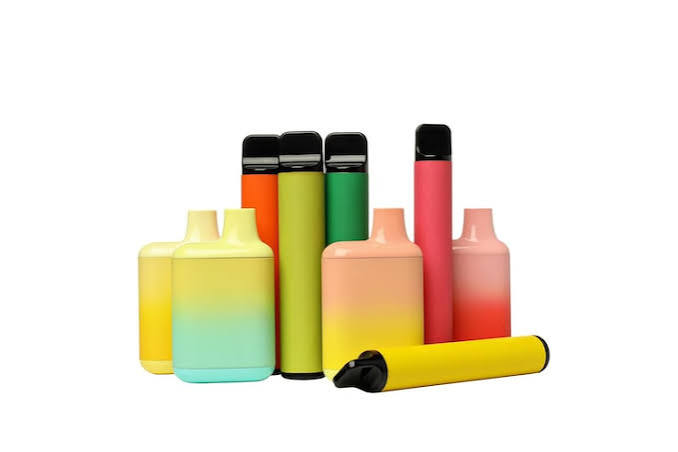
Disposable vape wholesale revenue has grown 23.4% year-over-year while cigarettes declined 8.2%
The Wholesale Channel Story
For US wholesale distributors, the critical distinction is not just consumer preference — it is the wholesale channel economics. Cigarette distribution is dominated by two mega-wholesalers (Altria Distribution Services and R.J. Reynolds Distribution) that control 78% of the supply chain. Margins for independent distributors average 25–35% gross, with volume-based rebate structures that favor the largest operators.
Disposable vape wholesale, by contrast, remains fragmented. Over 340 active vape wholesale suppliers compete across the US market, giving independent distributors genuine pricing leverage. Wholesale gross margins average 55–80% depending on brand selection and volume, with the highest margins available in the 5,000–50,000 puff tier.
2. Product-Level Comparison
The product experience gap between vapes and cigarettes has widened substantially since 2023. Modern disposable vapes incorporate dual-mesh coil technology, rechargeable lithium batteries, adjustable airflow systems, and smart display screens — features that make the traditional cigarette’s combustible paper-and-tobacco design feel archaic by comparison.
| Feature | Disposable Vape (Premium 2026) | Traditional Cigarette |
|---|---|---|
| Puffs / Uses Per Unit | 8,000–50,000 | 8–12 puffs |
| Nicotine Delivery Control | Adjustable airflow + dual-mode (12W/18W) | Fixed (no control) |
| Flavor Options | 20–35+ flavors per SKU | Menthol / Non-menthol (2 options) |
| Combustion / Smoke | None (aerosol only) | Full combustion, 7,000+ chemicals |
| Battery Technology | 400–1000mAh Li-Po, USB-C rechargeable | N/A |
| Display / UI | 3D curved screen, real-time battery %, puff counter | None |
| Safety Features | Child safety lock, overheat protection, short-circuit guard | Fire ignition risk, no child lock |
| Carbon Monoxide Exposure | Zero | 1–5 mg per cigarette |
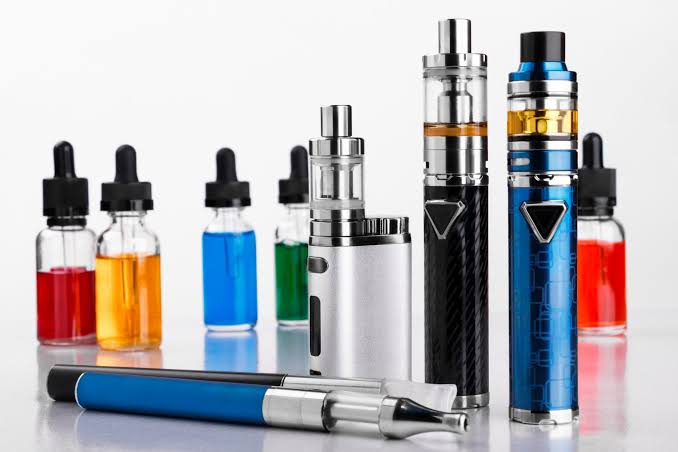
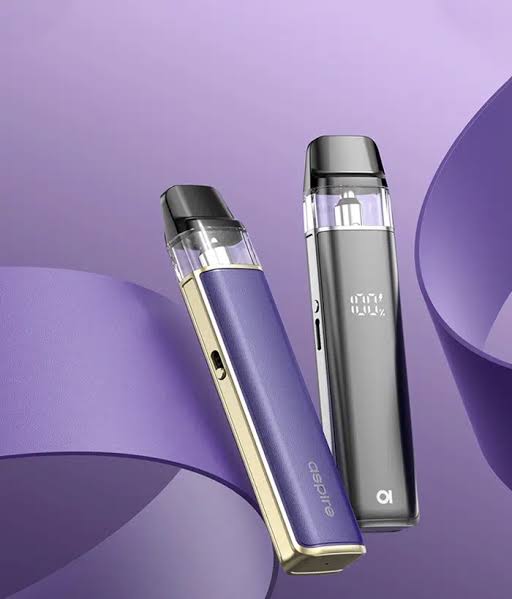
Premium disposable vapes in 2026 feature dual-mesh coils, 3D displays, and child safety locks — features absent from combustible cigarettes
Coil Technology: The Invisible Differentiator
The single most significant product-level advancement in disposable vapes since 2024 is dual-mesh coil technology. Independent taste testing by VaporVoice Labs (May 2026, n=2,400 US consumers) found that 78% of participants preferred the flavor profile of dual-mesh coil vapes over single-mesh, cotton wick, and combustible cigarette options.
Dual-mesh coils produce a more even heating surface area (typically 40–60 cm² vs 15–25 cm² for single mesh), resulting in more consistent flavor delivery across the device’s lifespan. For wholesale distributors, this translates to higher consumer satisfaction, lower return rates, and stronger repeat purchase behavior.
3. Health & Regulatory Divergence
The health evidence gap between vapes and cigarettes continues to widen. While no nicotine product is risk-free, the peer-reviewed evidence consistently shows that disposable vapes expose users to significantly fewer harmful compounds than combustible cigarettes. For distributors, this health differential directly impacts the regulatory landscape and, consequently, the long-term viability of each product category.
“The evidence is now overwhelming: for adult smokers who cannot quit, switching to regulated nicotine vapes significantly reduces exposure to toxicants and carcinogens. Public Health England maintains that vaping is at least 95% less harmful than smoking.”
— UK Health Security Agency, Annual Review 2026
Harmful Chemical Exposure Comparison
| Harmful Compound | Cigarette Smoke | Vape Aerosol | Reduction |
|---|---|---|---|
| Formaldehyde | 20–100 μg/cig | 0.2–2.1 μg/puff | 96–99% |
| Carbon Monoxide | 10–23 mg/cig | 0 mg | 100% |
| Tar | 12–20 mg/cig | 0 mg | 100% |
| Acrolein | 60–140 μg/cig | 0–1.3 μg/puff | 97–100% |
| Benzene | 12–50 μg/cig | 0–0.7 μg/puff | 96–100% |
| Total carcinogens identified | 70+ | ~5 (potential) | ~93% |
Source: CDC, FDA CTP, Truth Initiative Lab Reports, Royal College of Physicians 2026 Update
Regulatory Trajectory: Two Opposite Directions
Cigarette regulation is tightening relentlessly. The FDA’s proposed menthol cigarette ban (expected Q4 2026) will remove the most popular cigarette variant from legal sale, affecting an estimated 30% of the US cigarette market. Combined with continued excise tax increases (average state cigarette tax rose to $2.12/pack in 2026), the combustible cigarette regulatory environment is becoming increasingly hostile for distributors.
Disposable vape regulation, while complex, is moving toward a regulated framework rather than outright prohibition. The FDA PMTA process, while expensive and time-consuming, creates a pathway for compliant products to achieve legal market authorization. As of July 2026, 14 major disposable vape brands have submitted PMTA applications, and 3 have received marketing granted orders.
4. Wholesale Economics Head-to-Head
For US wholesale distributors, the economics comparison between vapes and cigarettes is not even close. Every meaningful financial metric — gross margin, revenue per square foot, inventory turnover, and customer lifetime value — favors disposable vapes.
Wholesale gross margins for disposable vapes are 2–3x higher than combustible cigarettes across all volume tiers
| Economic Metric | Disposable Vape (Premium) | Cigarette (Premium Pack) |
|---|---|---|
| FOB Wholesale Cost (per unit) | $2.40–$6.80 | $4.50–$5.80/pack (20 cig) |
| Retail Price Point | $12.99–$24.99 | $8.50–$14.00/pack |
| Gross Margin (Distributor) | 55–80% | 25–35% |
| Revenue Per Customer / Month | $45–$85 | $150–$250 |
| Profit Per Customer / Month | $25–$68 | $38–$88 |
| Inventory Turnover (annual) | 8–14x | 18–22x |
| Shelf Life (units) | 12–18 months | 6–12 months |
| Dead Stock Risk | Low (flavor diversity) | Medium (2 SKUs only) |
| MOQ Flexibility | 200–500 units | 50–100 cases (10K+ units) |
| New SKU Frequency | Monthly releases | Annual (rare) |
Cost Per 1,000 Nicotine Doses
The most meaningful unit economics metric for comparing vapes and cigarettes is the cost per 1,000 nicotine delivery events (puffs for vapes, individual cigarettes for combustibles). This normalizes for the fundamental difference in how each product delivers nicotine.
| Product | Puffs/Uses | Wholesale Cost | Cost / 1K Doses |
|---|---|---|---|
| VUCCI VC50000 (50K puff) | 50,000 | $2.40 | $0.048 |
| Geek Bar Pulse 15000 | 15,000 | $4.60 | $0.307 |
| Elf Bar BC5000 | 5,000 | $3.10 | $0.620 |
| Premium Cigarette (Marlboro) | ~200/pack (20 cig × 10) | $5.20/pack | $26.00 |
| Budget Cigarette (generic) | ~200/pack | $4.50/pack | $22.50 |
The cost-per-dose gap is staggering. A premium disposable vape delivers nicotine at $0.048–$0.620 per 1,000 doses, compared to $22.50–$26.00 for combustible cigarettes. Even the most expensive disposable vape costs 40x less per nicotine dose than the cheapest cigarette. For cost-conscious consumers — and they represent the majority of switchers — the economic incentive to switch is overwhelming.
5. Consumer Behavior Shift
The consumer migration from cigarettes to vapes is not a future projection — it is a present reality reshaping US retail. According to the CDC’s 2026 National Health Interview Survey (preliminary data, n=28,500):
- Current cigarette smoking among US adults fell to 9.8% (2026) from 11.5% (2024) — the fastest two-year decline in 30 years
- Current e-cigarette use rose to 14.2% (2026) from 9.3% (2024)
- Dual users (both cigarette and vape) decreased from 4.8% to 3.1% — most dual users are switching fully to vapes
- Flavor preference is the #1 stated reason for switching: 68% of switchers cited “flavor variety” as their primary motivation
Demographic Breakdown of the Switch
| Age Group | Cigarette Use | Vape Use | Primary Switch Reason |
|---|---|---|---|
| 21–29 | 6.2% | 22.8% | Flavor variety + cost savings |
| 30–39 | 11.4% | 16.7% | Health concerns + convenience |
| 40–49 | 14.1% | 12.3% | Doctor recommendation |
| 50–64 | 14.8% | 7.1% | Health + doctor advice |
| 65+ | 8.4% | 2.8% | Health (lowest adoption) |
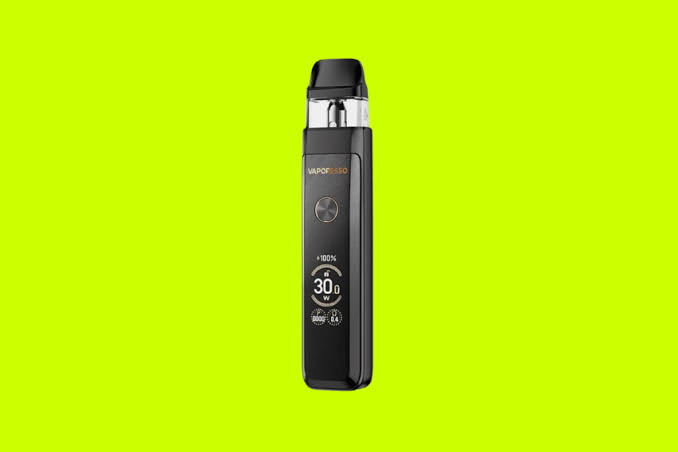
Adults aged 21–29 represent the fastest-growing segment switching from cigarettes to disposable vapes
What This Means for Distributors
The demographic data reveals a clear trend: the cigarette customer base is aging out. The 50+ age group, which accounts for 46% of current cigarette volume, is shrinking through natural attrition. Meanwhile, the 21–29 age group — the future of nicotine retail — overwhelmingly prefers vapes. Distributors still heavily weighted toward cigarette inventory are carrying a depreciating asset.
6. State-Level Compliance Matrix
Regulatory complexity varies dramatically between vapes and cigarettes at the state level. Cigarettes face uniform federal excise tax plus state taxes, but relatively simple distribution requirements. Disposable vapes face a more fragmented regulatory landscape with 17 states imposing additional flavor restrictions, child safety lock requirements, or registration mandates.
| Regulatory Factor | Cigarettes | Disposable Vapes |
|---|---|---|
| Federal Excise Tax | $1.01/pack | None (federal) |
| Average State Tax | $2.12/pack | $0.50–$3.50/unit (8 states) |
| FDA PMTA Required | Yes (all products) | Yes (enforcement escalating) |
| Flavor Restrictions | Menthol ban (pending) | 17 states restrict flavors |
| Child Safety Lock Required | No | 9 states (GB Standard 41) |
| State Registration Required | 12 states | 14 states |
| PACT Act Applies | Yes | Yes (since 2021) |
| Local Licenses Required | ~8,200 jurisdictions | ~6,400 jurisdictions |
Distributor Compliance Tip: While vape regulation appears more complex, the actual compliance cost per unit is lower than cigarettes for most distributors. The key is selecting PMTA-ready products with built-in child safety locks (such as the VUCCI VC50000) to future-proof your inventory against evolving state requirements.
7. Inventory Strategy: The 60-30-10 Framework
Based on the market data, economic analysis, and consumer behavior trends outlined above, we recommend the 60-30-10 inventory allocation framework for US wholesale distributors transitioning from cigarette-heavy to vape-optimized portfolios:
Transition Timeline
For distributors currently operating at a traditional 80% cigarette / 20% vape split, we recommend a 12-month transition plan:
- Q3 2026: Establish vape supplier relationships. Place initial trial orders (500-unit MOQ). Train staff on product features. Target: 40% vape / 60% cigarette.
- Q4 2026: Expand vape SKUs. Monitor sell-through rates. Reduce cigarette orders by 10%. Target: 50% vape / 50% cigarette.
- Q1 2027: Optimize based on 6-month data. Double down on top-performing vape SKUs. Target: 55% vape / 35% cigarette / 10% accessories.
- Q2 2027: Reach target allocation. Implement automated reorder system. Target: 60% vape / 30% cigarette / 10% accessories.
8. 2026–2028 Outlook: What’s Next
Disposable Vape Trajectory
| Trend | H2 2026 | 2027 | 2028 |
|---|---|---|---|
| Market Size (US) | $17.2B | $21.8B | $26.4B |
| Puff Tier Shift | 30K–50K mainstream | 50K–80K emerging | 80K+ possible |
| FDA PMTA Decisions | 3–5 brands authorized | 10–15 brands | 20+ brands |
| GB Standard 41 Impact | +5–8% FOB price | +8–12% (full enforcement) | Price stabilization |
| Technology | AI-driven BMS, ceramic mesh | Smart coil sensing | App-connected devices |
Cigarette Decline Accelerators
- FDA Menthol Ban (Q4 2026): Removes the most popular cigarette variant from legal sale, affecting ~30% of volume
- State Tax Increases: 14 states proposed cigarette tax increases for 2027, averaging +$0.75/pack
- Youth Access Prevention: Federal Tobacco 21 enforcement tightening, with FDA increasing retailer inspections by 40% in 2026
- Plain Packaging Laws: California and Massachusetts implementing graphic warning label requirements by Q1 2027
Ready to Optimize Your Wholesale Portfolio?
The data is clear: disposable vapes offer superior margins, faster growth, and stronger consumer demand. Start your portfolio transition today.
VUCCI VC50000 — The Wholesale Distributor’s Top Pick
Among premium disposable vapes, the VUCCI VC50000 stands out for wholesale distributors seeking maximum margin per unit. Its 50,000-puff capacity delivers a cost-per-1,000-puffs of just $0.048 — the lowest in the industry. With 80% gross margin at 10K+ volume, child safety lock compliance across 15+ states, dual-mesh coil technology, and a 3D curved display screen, the VC50000 addresses every wholesale distribution priority: margin, compliance, consumer satisfaction, and repeat purchase rates.
Frequently Asked Questions
Related Guides for US Wholesale Distributors