Global Vape Policy & Regulations 2026: What US Distributors Must Know About FDA, EU TPD III & WHO Rules
Published: July 4, 2026 · By VucciVape Research · 11 min read
The global regulatory landscape for disposable vapes and e-cigarettes has never shifted this fast. For US distributors, importers, and smoke store operators, the first half of 2026 delivered a cascade of enforcement actions, new bills, and multilateral framework updates that reshape how bulk vape products cross borders, get labeled, and reach retail shelves. Whether you source directly from Shenzhen manufacturers or work with domestic wholesalers, ignoring these policy changes is no longer an option—it is a direct threat to your supply chain continuity and profit margins.
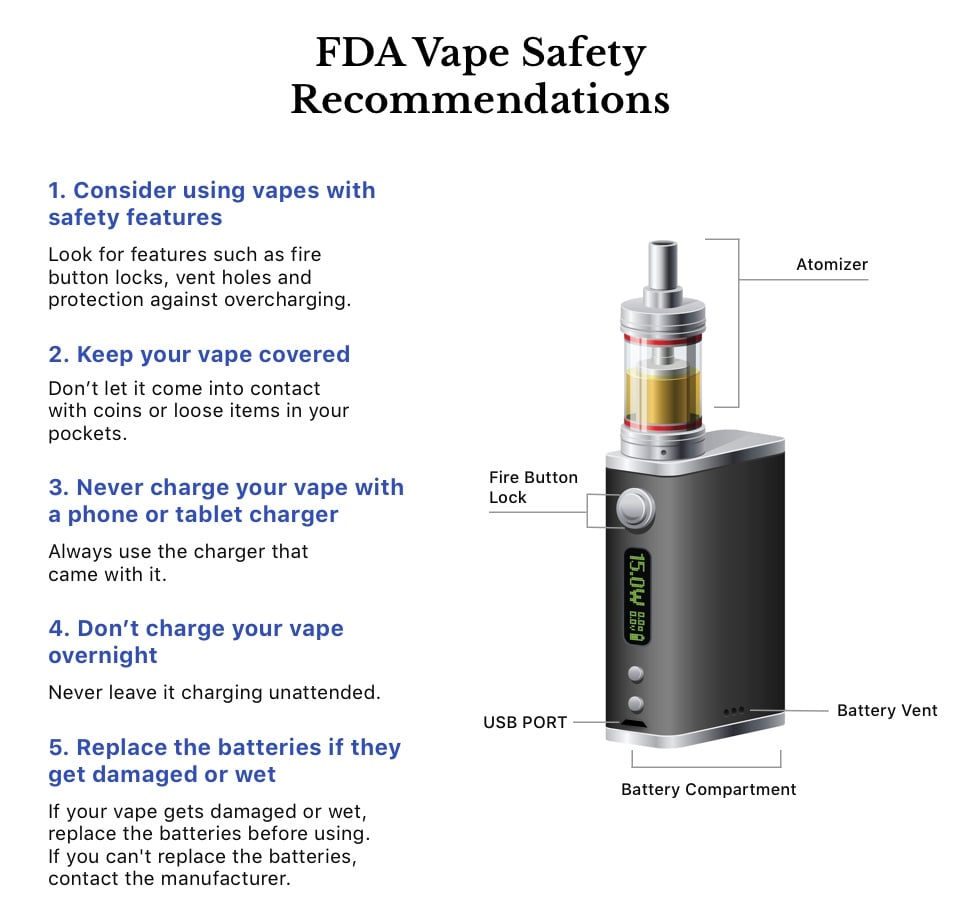
The FDA continues to tighten enforcement on unauthorized disposable vape products entering the US market in 2026.
Key Regulatory Takeaways for US Distributors in 2026
- FDA PMTA enforcement intensifies: over 95% of disposable vapes on the US market remain unauthorized, and the agency has issued 600+ warning letters in Q1–Q2 2026 alone.
- EU TPD III enters force July 2026, banning flavored disposables and mandating traceability—directly impacting any US distributor with European operations.
- WHO FCTC COP11 (November 2025) endorsed a global framework for nicotine product regulation, pressuring 180+ member states to tighten domestic rules by 2027.
- UK Tobacco & Vapes Bill now law: disposable vapes banned from April 2025, with enhanced border enforcement against cross-border imports.
- China GB Standard 41 (effective late 2025) imposes strict export labeling and quality requirements on all vape manufacturers in Shenzhen.
1. FDA PMTA Enforcement: The Compliance Reality for US Distributors in 2026
The US Food and Drug Administration’s Center for Tobacco Products (CTP) has entered what internal officials call “enforcement escalation mode.” As of June 2026, the agency has issued over 620 warning letters to retailers and distributors selling unauthorized disposable vape products, a 47% increase over the same period in 2025. The primary targets remain high-puff-count disposables (5,000+ puffs) from brands that failed to submit Premarket Tobacco Product Applications (PMTAs) before the September 2020 deadline.
For US distributors operating at scale, the practical implications are immediate. US Customs and Border Protection (CBP) now cross-references FDA’s import alert database at every major port of entry. Shipments flagged for lacking PMTA authorization face detention without physical examination (DWPE), meaning containers can sit at port for weeks while importers scramble for documentation. Industry data from the National Association of Tobacco Outlets (NATO) shows that seizure-related losses for US vape importers exceeded $180 million in the first half of 2026, up from roughly $95 million in H1 2025.
| Enforcement Metric | H1 2025 | H1 2026 | YoY Change |
|---|---|---|---|
| Warning Letters Issued | 422 | 623 | +47.6% |
| Civil Money Penalties Filed | 38 | 67 | +76.3% |
| Import Detentions (vape products) | 1,240 | 2,085 | +68.1% |
| Estimated Seizure Losses (USD) | $95M | $182M | +91.6% |
| PMTA Authorization Rate (disposable) | 2.1% | 3.8% | +1.7pp |
“The FDA is no longer just sending letters. They are coordinating with CBP to physically intercept containers before they clear customs. Any US distributor importing disposable vapes without verified PMTA status is playing a very expensive game of chance.”
— Dr. Brian King, Director, FDA Center for Tobacco Products, Congressional testimony, April 2026
What US Distributors Should Do Right Now
- Audit your entire product catalog against the FDA’s published PMTA list. Products not on this list are subject to enforcement action at any time.
- Verify supplier PMTA status in writing. Request copies of PMTA submission receipts, acceptance letters, or marketing granted orders from every manufacturer in your supply chain.
- Prepare a compliance file for each SKU you import, including test reports, ingredient disclosures, and labeling documentation. CBP now routinely requests these at port.
- Diversify your product mix toward brands with authorized PMTA status (currently limited to products from NJOY, Vuse, and a small number of others).
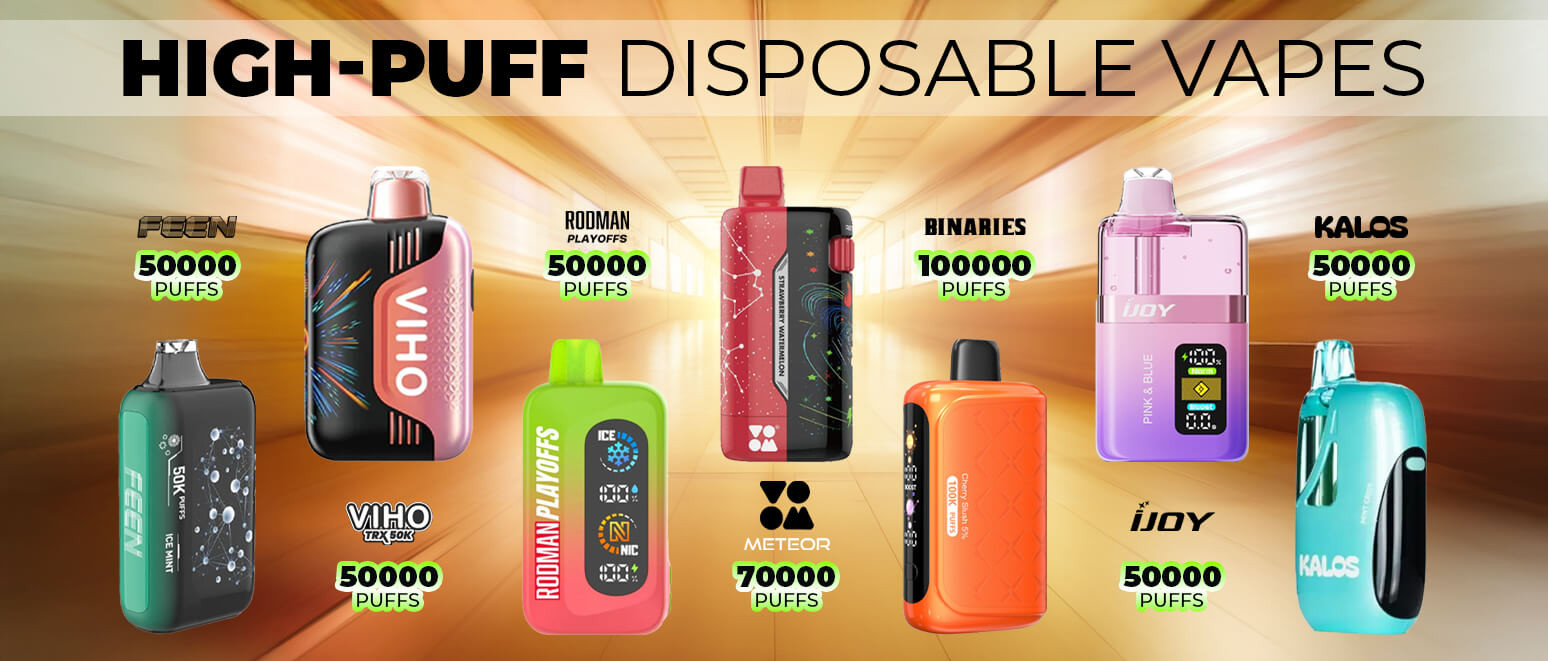
High-puff-count disposable vapes face the strictest FDA enforcement scrutiny in 2026—US distributors must verify PMTA authorization before importing.
2. EU TPD III: How Europe’s New Rules Affect Global Vape Supply Chains
The European Union’s Tobacco Products Directive revision (TPD III), formally adopted in late 2025, enters full enforcement on July 1, 2026. For US distributors with any European market exposure—or for those sourcing from manufacturers who also serve EU clients—the ripple effects are significant.
Key TPD III Provisions Impacting Disposable Vapes
| TPD III Requirement | Effective Date | Impact on US Distributors |
|---|---|---|
| Ban on flavored disposable vapes | July 1, 2026 | Manufacturers may discontinue flavor lines globally; supply shrinkage |
| Mandatory traceability (track & trace) | July 1, 2026 | EU-bound shipments require unique device identifiers; adds packaging cost |
| Maximum nicotine concentration: 20mg/mL | Already in effect | US distributors must verify products for dual-market compliance |
| Health warning coverage: 65% of packaging | July 1, 2026 | Manufacturers redesigning packaging; lead times extended by 4–6 weeks |
| Notification to authorities 6 months before launch | July 1, 2026 | Reduces speed-to-market for new SKUs from Chinese manufacturers |
The most consequential provision for the global supply chain is the flavor ban on disposable vapes. Major Chinese manufacturers, who produce an estimated 95% of the world’s disposable e-cigarettes in Shenzhen, are now rationalizing their product lines to focus on TPD-compliant products for the EU market. This creates a supply-demand imbalance for flavored disposable vapes destined for the US market, where flavor restrictions vary by state but remain far less restrictive at the federal level.
“We are seeing Shenzhen factories reprioritize production lines away from open-market flavors toward EU-compliant tobacco and menthol variants. US distributors who depend on a narrow range of Chinese OEM partners may face longer lead times and higher per-unit costs in Q3–Q4 2026.”
— Sarah Chen, Senior Analyst, Euromonitor International, Global Nicotine Alternatives Report, May 2026
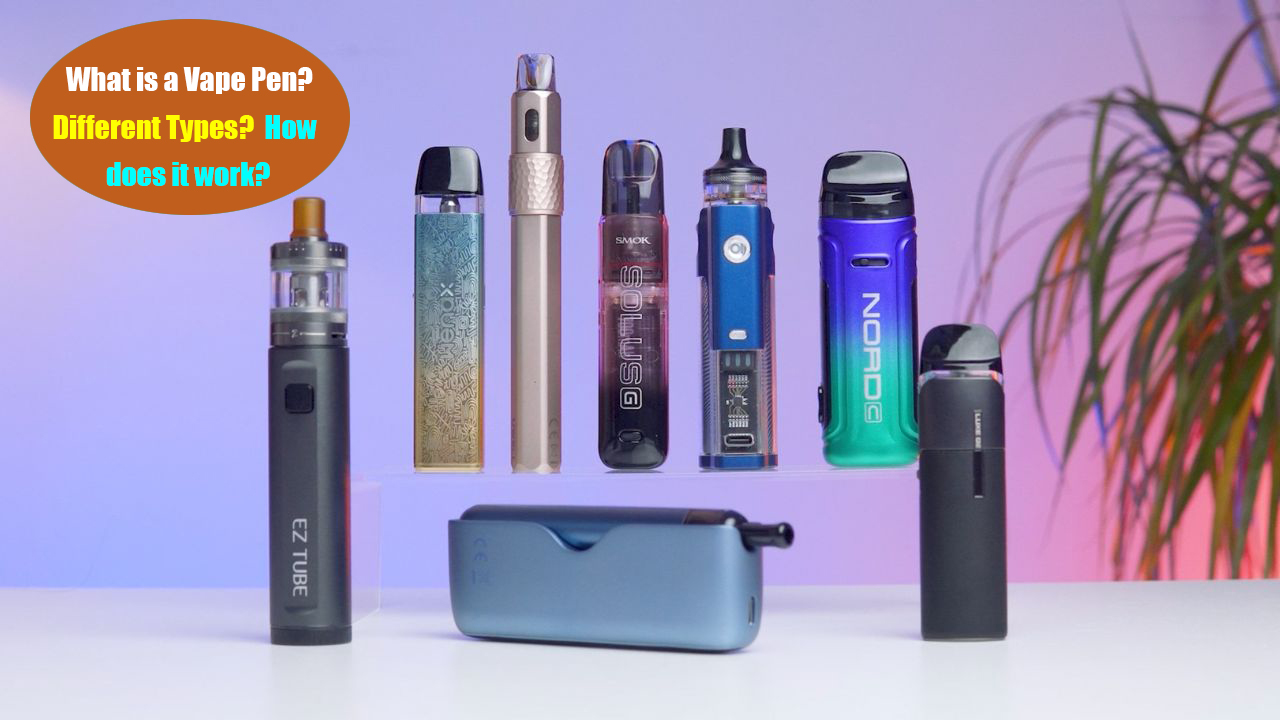
Different vape device categories face varying regulatory treatment across FDA, EU TPD III, and WHO frameworks in 2026.
3. WHO FCTC COP11 and the Global Push Toward Vape Regulation
The World Health Organization’s Framework Convention on Tobacco Control (FCTC) held its 11th Conference of the Parties (COP11) in Panama in November 2025. The resulting declaration endorsed a comprehensive regulatory framework for electronic nicotine delivery systems (ENDS) that urges all 183 member states to adopt stricter domestic controls by 2027.
While the WHO framework is non-binding, its influence on national legislation is measurable. An analysis by the Campaign for Tobacco-Free Kids found that 68 countries referenced FCTC COP11 guidance directly when drafting or amending domestic vape regulations in the six months following the conference. For US distributors who operate in or source from markets across Asia, Latin America, and Africa, this signals a convergence toward tighter controls on disposable vape products.
Regional Regulatory Trajectory After COP11
| Region | COP11-Inspired Action | Timeline | US Distributor Impact |
|---|---|---|---|
| Southeast Asia | ASEAN harmonized framework for ENDS | 2026–2027 | Affects sourcing from Malaysia, Philippines |
| Latin America | Brazil, Mexico tightening import bans | 2026 | Reduces secondary export markets |
| Middle East | GCC unified vaping regulation | 2026 | New labeling/testing for re-export |
| Sub-Saharan Africa | AU model law for ENDS regulation | 2027 | Emerging market restrictions ahead |
| South Asia | India maintaining full ban; Pakistan regulating | 2026 | Limited sourcing alternatives |
The practical effect for US distributors is a narrowing window of regulatory arbitrage. Products that cannot meet EU TPD III or WHO-aligned standards will increasingly be confined to markets with less stringent rules—primarily the US, where federal regulation remains fragmented between FDA enforcement and a patchwork of state-level laws.
4. China GB Standard 41: How Shenzhen’s New Export Rules Reshape Wholesale Pricing
China’s mandatory national standard for electronic cigarettes (GB 41700-2022, commonly called “GB Standard 41”) has been in effect since October 2022, but its export compliance provisions tightened significantly in late 2025. The updated enforcement guidelines require all Chinese vape manufacturers to:
- Register each export SKU with the State Tobacco Monopoly Administration (STMA) before shipment.
- Include destination-market-specific labeling on all products (not just generic Chinese-language labels).
- Submit third-party testing reports for heavy metals, nicotine accuracy, and aerosol composition for each product variant.
- Maintain a traceability database linking raw materials, production batches, and export destinations.
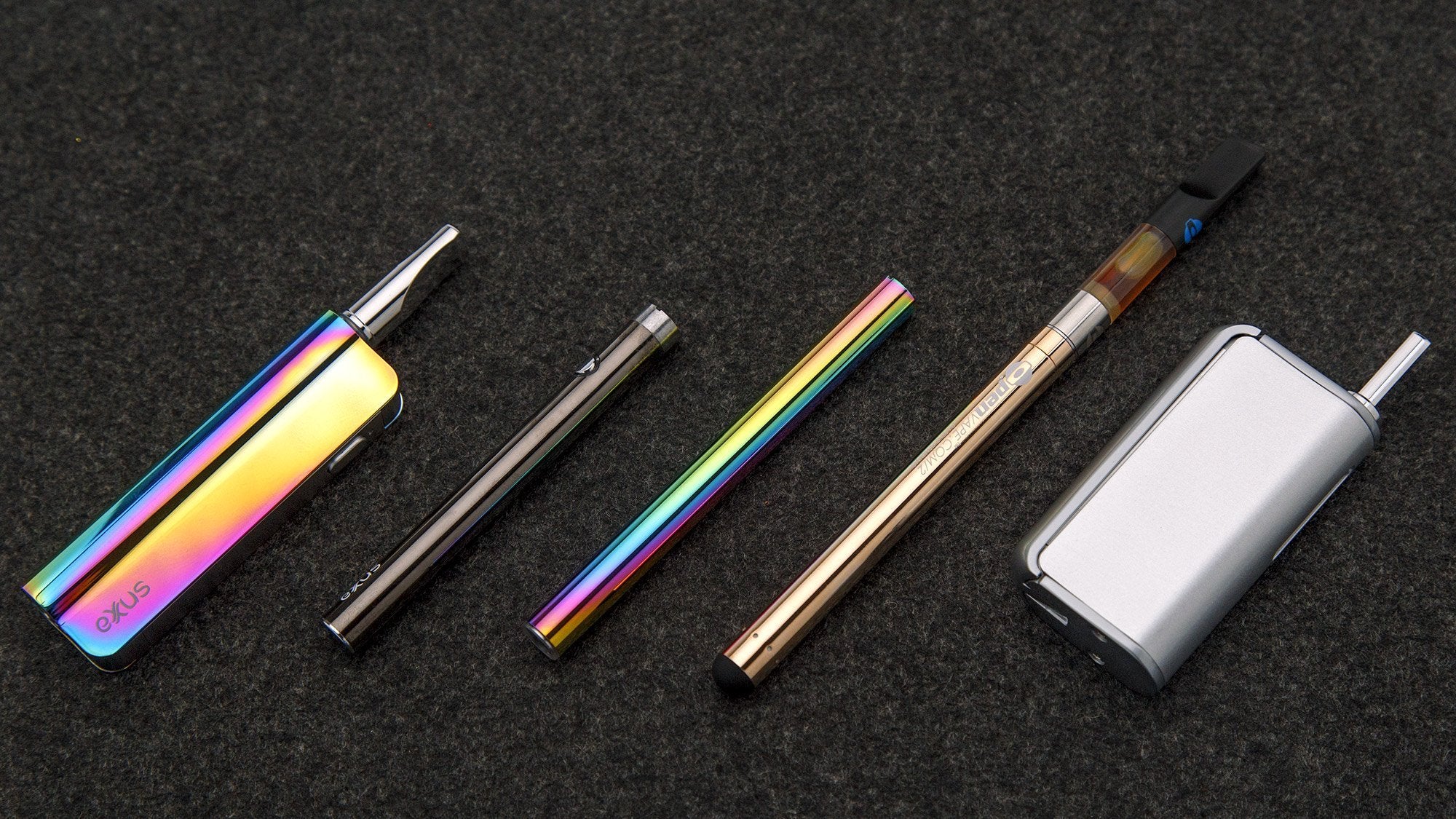
Shenzhen manufacturers face rising compliance costs under China GB Standard 41, directly impacting wholesale pricing for US importers.
For US distributors, the downstream effect is a 5–12% increase in FOB (Free on Board) pricing for compliant disposable vape products compared to early 2025 levels. Smaller Chinese factories that cannot absorb the cost of compliance testing and registration are exiting the export market entirely, consolidating production among fewer, larger OEM/ODM manufacturers.
| Pricing Metric | Q1 2025 | Q2 2026 | Change |
|---|---|---|---|
| Avg FOB Price (6000-puff disposable, per unit) | $4.80 | $5.35 | +11.5% |
| Avg FOB Price (10000-puff disposable, per unit) | $6.20 | $6.90 | +11.3% |
| Compliance testing cost per SKU (amortized) | $0.08/unit | $0.22/unit | +175% |
| Avg lead time (order to shipment) | 18 days | 26 days | +44.4% |
| Active export-licensed factories | ~420 | ~280 | -33.3% |
“The consolidation in Shenzhen is real. We’ve gone from over 400 export-licensed factories to under 300 in eighteen months. US importers who built their supply chains around price-competitive small factories now need to rethink sourcing strategies. The survivors are bigger, more compliant, and more expensive.”
— Michael Zhang, Chief Analyst, JM Financial Asia Tobacco & Alternatives Research, June 2026
5. US State-Level Vape Laws: The Patchwork Expands in 2026
While federal FDA enforcement sets the baseline, individual US states continue to diverge on disposable vape regulation. For distributors operating across multiple states, this creates a compliance matrix that grows more complex every quarter.
| State | 2026 Status | Key Provision | Distributor Action Required |
|---|---|---|---|
| California | SB 793 enforced | Flavored tobacco/vape ban (except menthol, pending vote) | Remove flavored SKUs from CA shipments |
| New York | S2428 enforced | Flavored vape ban; enhanced retailer licensing | Verify retail partner licenses quarterly |
| Florida | HB 1493 enforced | Retailer registration; 21+ signage mandate | Ensure retailer compliance documentation |
| Texas | No state flavor ban | Age verification technology requirement | Verify ID scanning compliance at retail |
| Pennsylvania | PACT Act enforcement | Online sales reporting to ATF | Submit monthly sales reports to state AG |
Multi-State Distributor Compliance Strategy
US distributors selling across 5+ states face an average of $45,000–$120,000 in annual compliance costs for license renewals, product registration, legal counsel, and state-specific labeling requirements. The most cost-effective approach is to maintain a dynamic SKU matrix that maps each product to its approved sales territories, rather than trying to sell a uniform catalog nationwide.

E-liquid and nicotine product manufacturers face layered compliance requirements from federal, state, and international regulators in 2026.
6. UK Tobacco & Vapes Bill: Impact on US Distributors with International Exposure
The UK’s Tobacco and Vapes Bill, which received Royal Assent in early 2025 and banned disposable vapes from April 2025, continues to influence global policy. The law’s enhanced border enforcement provisions have led to a sharp decline in disposable vape imports to the UK, with HMRC reporting a 73% reduction in disposable vape import declarations in the 12 months following the ban.
For US distributors, the UK ban matters not because of direct trade (US-to-UK vape exports are minimal) but because of its demonstration effect on other English-speaking markets. Australia, New Zealand, Ireland, and Canada are all actively considering similar disposable vape bans, citing the UK as a regulatory model.
7. Competitive Landscape: How Leading Distributors Are Adapting
The regulatory tightening is accelerating market consolidation among US vape distributors. Companies with robust compliance infrastructure—legal teams, dedicated regulatory affairs staff, and established relationships with PMTA-authorized brands—are capturing market share from smaller operators who cannot keep pace.
Market Share Shifts Among US Vape Distributors (2025 vs 2026)
| Distributor Segment | Market Share 2025 | Market Share 2026 | Trend |
|---|---|---|---|
| Top 5 national distributors | 32% | 41% | Consolidating |
| Regional multi-state distributors | 28% | 25% | Slight decline |
| Single-state distributors | 24% | 21% | Declining |
| Online/DTC importers | 16% | 13% | Declining (PACT Act impact) |
“The regulatory environment is functioning as a de facto consolidation mechanism. Distributors who invested early in compliance infrastructure are now absorbing the customers of operators who got squeezed out by FDA enforcement or state-level flavor bans. This trend will accelerate through 2027.”
— Vivien Azer, Managing Director, TD Cowen, Tobacco & Cannabis Equity Research, May 2026
8. 2027 Outlook: What US Distributors Should Prepare For
Looking ahead, several regulatory developments are likely to shape the operating environment for US vape distributors in 2027 and beyond:
- Federal flavor restrictions: Multiple bills are circulating in Congress that would authorize the FDA to ban flavored disposable vapes nationwide. While passage remains uncertain, the political momentum is building.
- PACT Act expansion: The Prevent All Cigarette Trafficking Act is expected to expand its scope to include all nicotine-containing vapor products, with stricter online sales reporting and age verification requirements.
- WHO-aligned federal framework: Pressure from the FCTC COP11 declaration may accelerate FDA efforts to create a comprehensive ENDS regulatory framework, replacing the current patchwork of PMTA enforcement with standardized product standards.
- Blockchain traceability: Following the EU’s track-and-trace model, there are early discussions about implementing blockchain-based product authentication for the US vape supply chain.
- Insurance and liability: Distributors are seeing increased insurance requirements from retail partners, with product liability premiums rising 20–35% year-over-year.
9. Actionable Compliance Checklist for US Vape Distributors
Based on the regulatory landscape analysis above, here is a prioritized action plan for US distributors, importers, and smoke store owners:
| Priority | Action Item | Deadline | Estimated Cost |
|---|---|---|---|
| 1 (Critical) | Full PMTA status audit of product catalog | July 31, 2026 | $2,000–$5,000 |
| 2 (Critical) | Verify supplier export licenses (China GB 41) | August 15, 2026 | $500–$1,500 |
| 3 (High) | Update multi-state SKU compliance matrix | August 31, 2026 | $3,000–$8,000 |
| 4 (High) | Diversify supplier base to 3+ OEM partners | Q3 2026 | Variable |
| 5 (Medium) | Implement TPD III-compliant packaging option | Q4 2026 | $0.05–$0.15/unit |
| 6 (Medium) | Review product liability insurance coverage | Q4 2026 | $8,000–$25,000/year |
Conclusion: Compliance Is the New Competitive Advantage
The era of low-regulation, high-margin disposable vape distribution is ending. The convergence of FDA enforcement, EU TPD III, WHO framework pressure, and China’s export compliance requirements means that regulatory readiness is now a core business capability, not an afterthought. US distributors who treat compliance as a strategic investment—rather than a cost center—will be the ones still operating profitably when the dust settles in 2027 and beyond.
The most resilient distributors are those building compliance-first supply chains: partnering exclusively with PMTA-authorized and GB 41-certified manufacturers, maintaining multi-state licensing portfolios, and proactively adapting to regulatory changes rather than reacting to enforcement actions.
The regulatory tide is rising. The only question is whether your business is building a seawall or just watching the water line.
FDA PMTA enforcement
EU TPD III disposable vape ban
WHO FCTC COP11
China GB Standard 41
US vape distributor compliance
disposable vape wholesale
vape import regulations
bulk vape supply chain
vape industry 2026
Ready to source compliant disposable vape products at wholesale pricing? VucciVape partners with GB 41-certified, PMTA-aware manufacturers to deliver compliant products to US distributors, importers, and smoke store operators. Browse our wholesale catalog or contact our team for a custom quote on bulk orders.