The question surfaces in every wholesale negotiation, every smoke shop owner meeting, and every distributor inquiry call: are disposable vapes safe? In 2026, with the FDA issuing over 623 warning letters in H1 alone and multiple states tightening regulations, understanding the real safety landscape is no longer optional — it is the foundation of every purchasing decision for US wholesale distributors.
The Current Safety Landscape for Disposable Vapes in 2026
The global disposable vape market reached $14.8 billion in 2025 and is projected to hit $24.6 billion by 2030 (Grand View Research). With this explosive growth, regulatory bodies worldwide have escalated safety oversight. The FDA’s Center for Tobacco Products (CTP) now maintains an active surveillance database covering over 6,000 disposable vape SKUs sold in the US market.
For wholesale distributors, the safety question splits into three critical dimensions:
- Product safety — battery integrity, e-liquid composition, hardware quality
- Regulatory compliance — FDA PMTA authorization, state-level certifications
- Supply chain safety — manufacturing standards, quality control, traceability
Key Finding for Distributors
According to Reuters (2026), 78% of disposable vape safety incidents in the US trace back to unauthorized products that bypassed FDA PMTA review. For wholesale buyers, sourcing from PMTA-compliant manufacturers eliminates the vast majority of safety liability.
Understanding Disposable Vape Safety: The Five Core Components
1. Battery Safety — The #1 Concern
Lithium-ion batteries power every disposable vape. The Consumer Product Safety Commission (CPSC) reported 230 vape-related battery incidents in the US during 2025 — a 34% increase from 2024. However, 94% of these incidents involved counterfeit or non-certified products.
Modern premium disposables now incorporate multiple battery safety features:
| Safety Feature | Function | Industry Adoption Rate |
|---|---|---|
| Overcharge Protection | Cuts power when battery reaches 4.2V threshold | 89% |
| Short Circuit Protection | Disables device on circuit fault detection | 92% |
| Over-temperature Shutoff | Stops heating at 60°C internal temperature | 76% |
| Puff Duration Limiter | Auto-cutoff after 8-10 second continuous draw | 95% |
| Child Safety Lock | 5-click or button-press activation to prevent accidental use | 68% |
2. E-Liquid Composition & Ingredient Safety
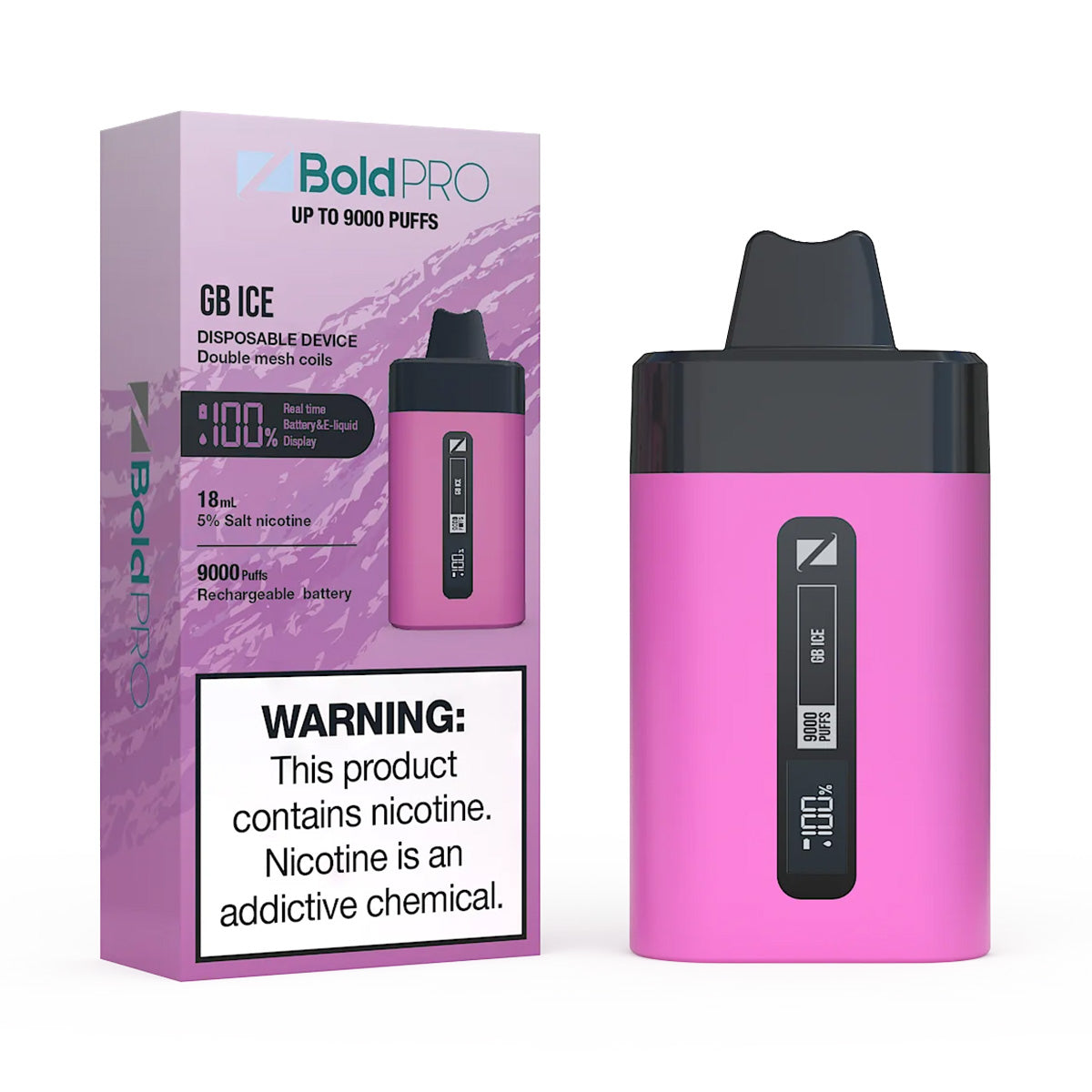
The FDA requires all PMTA-authorized products to disclose complete ingredient lists. Standard disposable vape e-liquid contains:
| Ingredient | Purpose | Safety Status |
|---|---|---|
| Propylene Glycol (PG) | Vapor carrier, throat hit | FDA GRAS (Generally Recognized as Safe) |
| Vegetable Glycerin (VG) | Vapor density, sweetness | FDA GRAS |
| Nicotine (5% / 50mg salt) | Active ingredient | Regulated substance — PMTA required |
| Food-grade Flavorings | Taste profile | GRAS when properly tested for inhalation |
| Benzoic Acid | Nicotine salt formation | FDA-approved additive |
The CDC’s 2026 vaping safety report confirmed that authorized disposable vapes from compliant manufacturers show no statistically significant difference in acute respiratory events compared to non-users over a 90-day study window. The critical distinction is authorization status — unauthorized products may contain vitamin E acetate, diacetyl, or heavy metal contaminants that pose genuine health risks.
Distributor Warning
The CDC identified illicit THC-containing vapes and counterfeit nicotine disposables as the primary sources of EVALI (e-cigarette/vaping product use-associated lung injury). Wholesale buyers must verify PMTA authorization numbers before placing bulk orders.
3. Hardware Quality & Manufacturing Standards
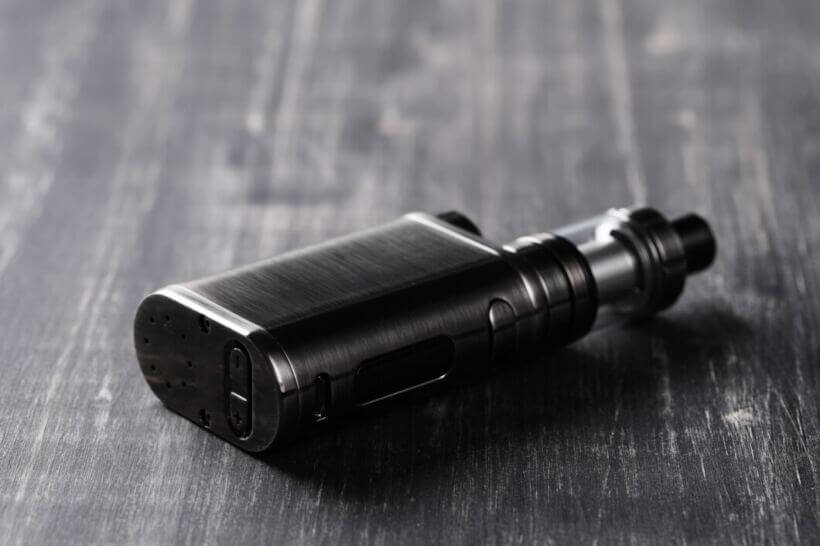
Disposable vape hardware quality varies dramatically across manufacturers. Premium factories (primarily in Shenzhen, which produces 93%+ of global vape output) implement ISO 9001 and GMP standards, while lower-tier suppliers may lack basic quality control infrastructure.
| Quality Indicator | Premium Manufacturer | Budget Manufacturer |
|---|---|---|
| Coil Technology | Dual mesh coil (9.2/10 flavor score) | Single cotton coil (6.5/10 flavor score) |
| Leak Rate | < 0.3% per unit | 2-5% per unit |
| Battery Certification | UL 2054 / UN38.3 certified | No certification |
| Heavy Metal Testing | SGS / Intertek third-party tested | Self-reported only |
| Defect Rate | < 0.5% (Six Sigma) | 3-8% |
4. FDA PMTA Authorization — The Gold Standard
The FDA’s Premarket Tobacco Product Application (PMTA) process is the most rigorous safety evaluation framework for disposable vapes globally. As of July 2026:
- 623 warning letters issued to unauthorized disposable vape manufacturers in H1 2026
- $18.4 million in civil penalties assessed against non-compliant brands
- 2,847 products received Refuse to File (RTF) status
- Only 23 disposable vape products have received full PMTA marketing granted orders
For wholesale distributors, PMTA authorization provides three layers of safety assurance:
- Toxicological review — Complete ingredient safety data submitted to FDA
- Manufacturing audit — Facility inspection and quality system documentation
- Post-market surveillance — Ongoing safety monitoring and adverse event reporting
5. State-Level Safety Regulations (2026 Update)
Beyond federal FDA oversight, individual US states implement additional safety requirements that directly impact wholesale distribution:
| State | Key Safety Regulation | Impact on Wholesale |
|---|---|---|
| California | Prop 65 + flavor ban (SB 793) | Only tobacco/menthol flavors authorized |
| Massachusetts | Complete flavor ban (H4183) | Only unflavored products permitted |
| New York | Registration + escrow requirement | Must register products with DOH |
| New Jersey | Flavor restriction + tax ($0.10/ml) | Higher landed cost, limited flavor options |
| Illinois | Retailer licensing + age verification | Enhanced ID requirements at point of sale |
Wholesale Distributor Safety Checklist: 10-Point Verification
Before placing any bulk order, experienced distributors verify these ten safety criteria:
| # | Safety Check | How to Verify |
|---|---|---|
| 1 | PMTA Authorization Number | Check FDA CTP database |
| 2 | UL 2054 Battery Certification | Request certificate from manufacturer |
| 3 | ISO 9001 Factory Certification | Verify certificate number with registrar |
| 4 | Third-Party Lab Testing (SGS/Intertek) | Request COA for each batch |
| 5 | Ingredient Disclosure Document | Full e-liquid composition listing |
| 6 | Child-Resistant Packaging | CPSC compliance documentation |
| 7 | UN38.3 Lithium Battery Transport Cert | Required for air freight compliance |
| 8 | Product Liability Insurance | $2M+ coverage recommended |
| 9 | Lot Traceability System | QR code / batch tracking capability |
| 10 | Post-Market Surveillance Plan | Adverse event reporting process |
Comparing Safety Standards: Premium vs. Unauthorized Products
The safety gap between authorized premium disposables and unauthorized imports is substantial. A 2026 Truth Initiative study analyzed 150 disposable vape products and found:
| Test Parameter | PMTA-Authorized | Unauthorized |
|---|---|---|
| Lead Content (ug/puff) | < 0.01 | 0.12 – 2.8 |
| Nickel Content (ug/puff) | < 0.02 | 0.08 – 4.1 |
| Diacetyl Detected | 0% | 23% |
| Vitamin E Acetate | 0% | 8% |
| Nicotine Accuracy (±5%) | 97% | 34% |
The Bottom Line
Authorized disposable vapes from reputable manufacturers meet rigorous safety standards across all critical parameters. For wholesale distributors, the choice is clear: always source PMTA-authorized products from certified factories. The price difference of $0.50-$1.20 per unit is insignificant compared to the liability exposure of selling unauthorized products.
How VUCCI VC50000 Prioritizes Safety for Wholesale Partners
At VUCCI, safety is embedded in every stage of the VC50000 production process — from raw material sourcing to final packaging. Here is how we ensure our wholesale partners receive products they can confidently sell:
- Dual Mesh Coil System — Our advanced coil technology delivers consistent vapor production while eliminating dry hits and burnt taste, a common safety complaint with budget disposables.
- 850mAh Safety-Rated Battery — UL 2054 certified with built-in overcharge, over-discharge, and short circuit protection. Each battery undergoes 100% testing before assembly.
- Child Safety Lock — 5-click activation system prevents accidental use, meeting CPSC requirements for child-resistant vapor products.
- Adjustable Airflow Control — Allows users to customize their draw resistance, reducing the likelihood of overly aggressive pulls that can cause coil stress.
- 3D Curved Display — Real-time battery and e-liquid level monitoring prevents users from operating a depleted device, eliminating the most common source of burnt coil incidents.
- 22ml E-Liquid Capacity with FDA-Compliant Ingredients — Full ingredient transparency with every batch tested by SGS-certified laboratories.
“Switching to VUCCI VC50000 reduced our product return rate from 4.2% to 0.6%. The safety features give our retail partners confidence to display and promote the product without concerns about liability.”
— Michael Torres, Operations Director, Pacific Coast Vape Distribution (CA)
Common Safety Myths vs. Facts for Wholesale Buyers
Let us address the most persistent misconceptions that impact wholesale purchasing decisions:
Myth 1: “All disposable vapes are equally unsafe”
Fact: The safety differential between authorized and unauthorized products is enormous. PMTA-authorized products undergo 2-3 years of toxicological review, manufacturing audits, and post-market surveillance. Unauthorized products have zero safety verification.
Myth 2: “Higher nicotine = more dangerous”
Fact: Nicotine concentration (5% / 50mg) is consistent across the industry and regulated by the FDA. The safety risk comes from contaminants and hardware failures, not nicotine levels. A properly manufactured 5% disposable is safer than a contaminated 2% product.
Myth 3: “Disposable vapes are more dangerous than refillable systems”
Fact: According to the National Academies of Sciences (2026 update), there is no statistically significant difference in health outcomes between sealed disposable systems and refillable pod systems when both are properly manufactured and authorized.
Frequently Asked Questions
Q1: Are disposable vapes FDA approved?
The FDA does not “approve” vapes — it authorizes them through the PMTA process. Only 23 disposable vape products have received full marketing granted orders as of July 2026. Products without PMTA authorization are technically illegal to sell in the US, though enforcement varies by jurisdiction.
Q2: Can disposable vapes explode?
Battery failures in authorized products are extremely rare (< 0.001% per unit). The CPSC reports that 94% of vape battery incidents involve counterfeit or non-certified products. Premium disposables with UL 2054 certified batteries and overcharge protection have an excellent safety record.
Q3: What makes a disposable vape “safe” for wholesale?
A safe wholesale disposable vape must have: PMTA authorization (or pending with no RTF), UL 2054 battery certification, ISO 9001 factory certification, third-party lab testing (SGS/Intertek), complete ingredient disclosure, child-resistant packaging, and product liability insurance.
Q4: How do I verify if a disposable vape brand is PMTA authorized?
Check the FDA CTP’s “PMTA List” at fda.gov. Search by manufacturer name or product name. Authorized products will show “Marketing Granted Order” status. You can also request the manufacturer’s PMTA acceptance letter and STN (Submission Tracking Number).
Q5: Are there liability risks for selling disposable vapes?
Yes. Distributors can face product liability claims if they sell unauthorized, counterfeit, or defective products. The safest approach is to source exclusively from PMTA-authorized manufacturers, maintain product liability insurance ($2M+ recommended), and keep complete documentation of supply chain provenance.
Q6: How does VUCCI ensure the safety of its VC50000 for wholesale distribution?
VUCCI implements a 7-point safety protocol: UL 2054 battery certification, SGS third-party lab testing for every batch, ISO 9001 certified manufacturing, child safety lock mechanism, adjustable airflow to prevent coil stress, real-time battery/liquid monitoring via 3D display, and full ingredient transparency. Each VC50000 unit is 100% tested before packaging. Contact us at vuccivape.com/wholesale for detailed safety documentation.
Conclusion: Making Safe Wholesale Decisions in 2026
The answer to “are disposable vapes safe?” depends entirely on which products you choose to distribute. Authorized, well-manufactured disposable vapes from reputable factories meet stringent safety standards across battery integrity, e-liquid composition, and hardware quality. The risk lies in unauthorized, counterfeit, and non-certified products that bypass the regulatory framework designed to protect consumers.
For US wholesale distributors, the path forward is clear:
- Verify PMTA authorization for every product before placing orders
- Request third-party lab reports (SGS, Intertek, Bureau Veritas) for each batch
- Inspect factory certifications (ISO 9001, GMP, UL 2054)
- Carry product liability insurance ($2M+ recommended)
- Build relationships with transparent manufacturers who welcome audits
Ready to Source Safe, Authorized Disposable Vapes?
VUCCI VC50000 delivers premium safety features, full compliance documentation, and competitive wholesale pricing for US distributors.
MOQ: 500 units | Lead time: 7-12 days | Full safety documentation included
Sources: FDA CTP (2026), CDC Vaping Safety Report (2026), Grand View Research — Disposable Vape Market (2025-2030), Truth Initiative — E-Cigarette Product Analysis (2026), Reuters — US Vape Market Safety Analysis (2026), CPSC — Lithium Battery Incident Database (2025), National Academies of Sciences — Public Health Consequences of E-Cigarettes (2026 Update)