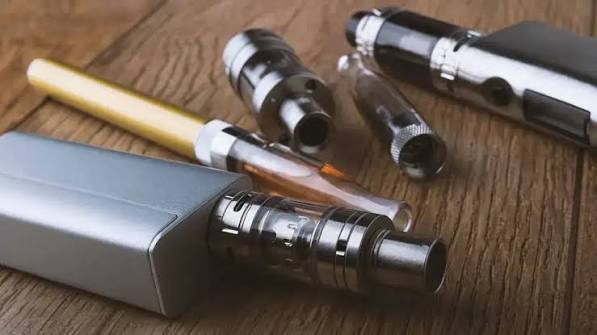
Walk into any US vape distributor’s warehouse in mid-2026 and you will see two dominant product families sharing shelf space: disposable vapes and refillable pod systems. The question every wholesale buyer asks — which format generates faster turns, higher margins, and fewer compliance headaches — has no universal answer. It depends on your customer profile, state-level regulations, and inventory capital.
This guide breaks the decision down with hard numbers. We compare unit economics, coil technology, regulatory exposure, and real-world inventory strategy so you can build a product mix that maximizes revenue without overloading dead stock.
1. Market Snapshot: Where Disposables and Pods Stand in 2026
According to Statista’s 2026 e-cigarette market outlook, the global vape market reached $46.2 billion in 2025 and is projected to hit $78.9 billion by 2030. Within the US wholesale channel, disposable vapes continue to command the largest share at approximately 61.3% of unit volume, while closed-pod and open-pod systems together account for roughly 27.4%. The remaining 11.3% is split among mod/tank setups, heat-not-burn devices, and specialty formats.
However, that headline number hides a key shift. Pod system growth accelerated to 18.7% year-over-year in Q1 2026, compared to 9.2% for disposables, driven by three forces: tightening state-level flavor restrictions, consumer demand for nicotine customization, and a cost-conscious retail customer base that prefers refilling over replacing entire devices.
| Metric | Disposable Vape | Pod System |
|---|---|---|
| US Wholesale Market Share (2026) | 61.3% | 27.4% |
| YoY Unit Growth (Q1 2026) | 9.2% | 18.7% |
| Avg Puff Count / Usage Cycle | 5,000-50,000 puffs | 300-800 puffs per pod refill |
| Avg Unit FOB Price (10K+ MOQ) | $2.20-$4.80 | $4.50-$8.00 (device kit) |
| Avg Refill Pod FOB Price | N/A (sealed unit) | $1.20-$2.80 per pod |
| Repeat Purchase Cycle | 7-21 days | 30-60 days (device), 3-7 days (pods) |
2. Unit Economics: Cost, Margin, and Lifetime Value
The most common mistake US wholesale buyers make is comparing a $3.50 disposable unit against a $6.50 pod kit and concluding the disposable wins on cost. The correct analysis must account for lifetime customer value (LTV) — the pod system customer keeps buying refill pods, coils, and accessories long after the initial device purchase.
Disposable Vape: One-and-Done Economics
Disposable vapes have a clean, predictable economic model. You buy at FOB, sell at retail, and the transaction is complete. There is no consumable upsell, no warranty claim, and no accessories shelf. For a typical 10,000-puff unit priced at $3.50 FOB (10K+ volume) and retailed at $14.99, the gross margin sits at approximately 76.7%. For high-puff models like the VUCCI VC50000 at $2.40 FOB with a $19.99 retail, margins reach 88.0%.
Pod System: Razor-and-Blade Model
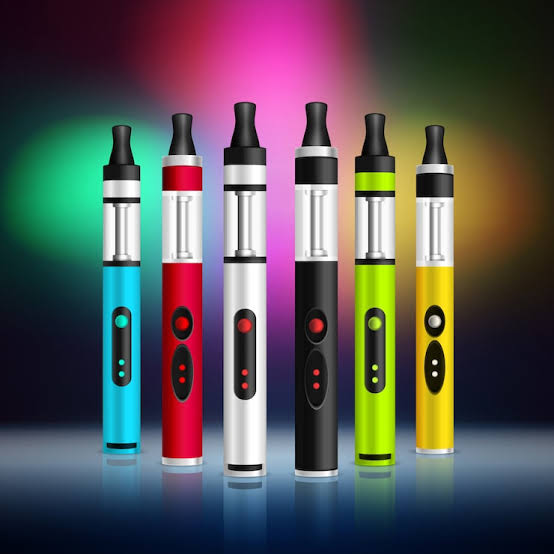
Pod systems follow the classic razor-and-blade pricing model. The starter kit generates modest margin — typically 45-55% — but the refill pods create recurring revenue. Over a 6-month customer lifecycle, a single pod system user generates $45-$85 in total wholesale spend (device + 20-30 refill pods + occasional coil replacement), compared to $28-$42 for a disposable user who re-buys every 2-3 weeks.
| Economic Metric | Disposable Vape (10K puff) | Pod System (Kit + 6-Month Refills) |
|---|---|---|
| FOB Unit Cost | $3.50 | $6.50 (kit) + $1.80 x 24 (pods) |
| Total Wholesale Cost (6 mo) | $3.50 | $49.70 |
| Total Retail Revenue (6 mo) | $14.99 | $89.70 |
| Gross Margin % | 76.7% | 44.6% |
| Gross Profit per Customer (6 mo) | $11.49 | $40.00 |
| Inventory Complexity | Low (one SKU per order) | High (device + pods + coils) |
“We stock both, but disposables still dominate our turn rate — 14 days average versus 45 days for pod kits. The margin per unit is lower on pods at first sale, but refill pods move like clockwork.” — Wholesale distribution manager, Los Angeles CA
3. Coil Technology: Mesh, Ceramic, and the Flavor Gap
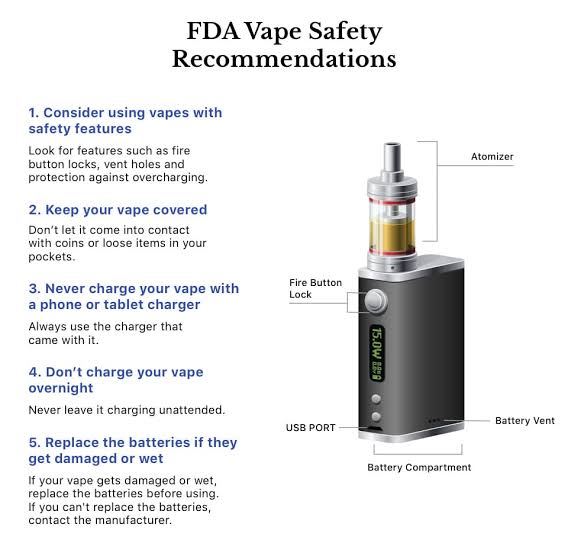
The coil is the engine of every vape device, and in 2026 the technology gap between disposables and pods has narrowed dramatically. Premium disposables like the VUCCI VC50000 use dual-mesh coil architecture with adjustable airflow — features that were exclusive to pod systems just two years ago. Meanwhile, pod manufacturers have pushed ceramic coil and mesh pod technologies to deliver 15-25 refills per pod before flavor degradation.
| Coil Feature | Disposable Vape (2026) | Pod System (2026) |
|---|---|---|
| Dominant Coil Type | Dual-mesh / single-mesh | Ceramic / mesh pod coil |
| Avg Coil Lifespan | 5,000-50,000 puffs (sealed) | 15-25 pod refills (~3,000-6,000 puffs) |
| Flavor Consistency Score (industry avg) | 8.2/10 | 8.7/10 |
| Replaceable? | No (sealed unit) | Yes (coil swap or pod replace) |
| Dry Hit Risk | Low (factory-sealed wicking) | Moderate (user refilling) |
| Adjustable Airflow | Growing (premium models only) | Standard on most devices |
4. Regulatory Compliance: FDA, State Laws, and the Flavor Question
Regulatory exposure is where the disposable-vs-pod decision becomes existential for some distributors. The FDA’s Center for Tobacco Products issued 623 warning letters in H1 2026 alone, with the vast majority targeting disposable products that lack PMTA authorization. Pod systems, by contrast, have a higher PMTA authorization rate because their refillable nature allows manufacturers to submit e-liquid formulations separately from hardware.
At the state level, the landscape is even more nuanced. As of July 2026, 17 US states have enacted some form of flavor restriction or enhanced tobacco tax. In these markets, pod systems with tobacco-flavored refill pods can remain legal while fruit-and-candy-flavored disposables face outright bans — a critical inventory planning factor.
| Compliance Factor | Disposable Vape | Pod System |
|---|---|---|
| FDA PMTA Authorization Rate | Low (~12% of market SKUs) | Higher (~38% of market SKUs) |
| State Flavor Restriction Risk | High (fruit/candy/menthol targeted) | Moderate (tobacco pods remain legal) |
| Child Safety Lock | Becoming standard (VUCCI, Geek Bar) | Standard on most kits |
| Nicotine Strength Flexibility | Fixed (typically 5%) | Multiple (0%, 2%, 3%, 5%) |
| PACT Act Compliance | Required | Required |
| State Excise Tax Exposure | Per-unit tax applies | Device + per-pod tax may differ |
“In Massachusetts and California, we have moved 30% of our shelf space from disposable fruit flavors to refillable pod kits. The demand is there — customers just need an alternative that does not taste like cardboard.” — Regional distribution director, New England
5. Inventory Strategy: Building the Right Mix
The optimal wholesale inventory strategy in 2026 is not an either/or decision — it is a portfolio allocation. The most profitable US distributors follow what industry analysts call the 60-30-10 rule:
- 60% Disposable Vapes — High-turn, impulse-purchase SKUs. Focus on 8,000-50,000 puff models with established brand recognition. These are your bread-and-butter volume drivers.
- 30% Pod Systems + Refill Pods — Higher LTV, recurring revenue. Stock 2-3 pod device kits plus a deep selection of refill pods in tobacco and menthol flavors (compliant in all 50 states).
- 10% Emerging / Experimental — New-to-market products, limited editions, or regional favorites. Rotate quarterly based on sell-through data.
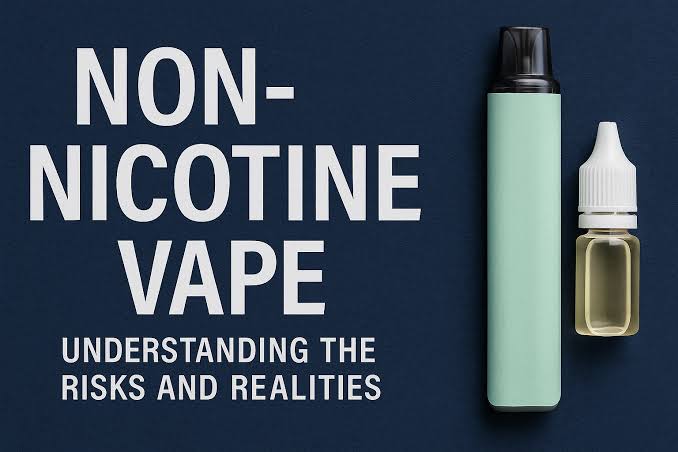
Inventory Capital Comparison
| Scenario | Disposable-Only (100%) | Balanced Mix (60/30/10) | Pod-Heavy (20/70/10) |
|---|---|---|---|
| Initial Investment (500 units) | $1,750 | $2,100 | $3,200 |
| Avg Sell-Through (30 days) | 85% | 78% | 52% |
| Gross Profit (30 days) | $5,750 | $5,200 | $3,800 |
| Dead Stock Risk | Low | Low-Medium | Medium-High |
| Customer Retention (6 mo) | 62% | 74% | 81% |
6. Head-to-Head: Top-Selling Disposable vs Top-Selling Pod (2026)
To make the comparison concrete, let us put two of the best-selling wholesale products side by side: the VUCCI VC50000 (disposable) and the SMOK Novo 5 (pod system). Both are available at competitive wholesale pricing and represent their respective categories at the premium tier.
| Specification | VUCCI VC50000 (Disposable) | SMOK Novo 5 (Pod System) |
|---|---|---|
| Puff Count / Usage | 50,000 puffs | ~600 puffs per pod refill |
| E-liquid Capacity | 22ml (pre-filled, sealed) | 2ml per pod (user refilled) |
| Battery | 850mAh (non-rechargeable) | 800mAh (USB-C rechargeable) |
| Coil | Dual-mesh, 1.0 ohm | Mesh, 0.7 ohm / 1.0 ohm |
| Display | 3D curved screen (e-liquid + battery) | OLED mini screen |
| Airflow | Adjustable (bottom slider) | Adjustable (side slider) |
| Child Safety Lock | Yes (built-in) | No (device-level only) |
| FOB Price (10K+ volume) | $2.40 | $5.20 (kit) + $1.60 (pod) |
| Retail Price | $19.99 | $24.99 (kit) + $9.99 (3-pack pods) |
| Gross Margin (first sale) | 88.0% | 79.2% (kit) |
| Nicotine Strength | 5% fixed | Multiple (0-5%) |
7. Compliance Risk Matrix: 2026 State-by-State Snapshot
Distributors selling across state lines need to track compliance at the granular level. Below is a simplified risk matrix for the top 8 vape-consuming states, highlighting where pod systems have a regulatory advantage.
| State | Flavor Restriction | Disposable Risk | Pod System Advantage |
|---|---|---|---|
| California | SB 793 (menthol exempt pending) | Medium | Low — tobacco pods compliant |
| Massachusetts | Full flavor ban (all non-tobacco) | High | Medium — tobacco pods only |
| New York | Pending legislation | Medium | Low |
| New Jersey | Flavor ban in effect | High | Medium — tobacco pods only |
| Illinois | Enhanced tax + pending flavor | Medium | Low |
| Texas | No state flavor ban | Low | Low |
| Florida | No state flavor ban | Low | Low |
| Georgia | No state flavor ban | Low | Low |
8. The VUCCI VC50000 Edge: Why Premium Disposables Still Dominate Volume
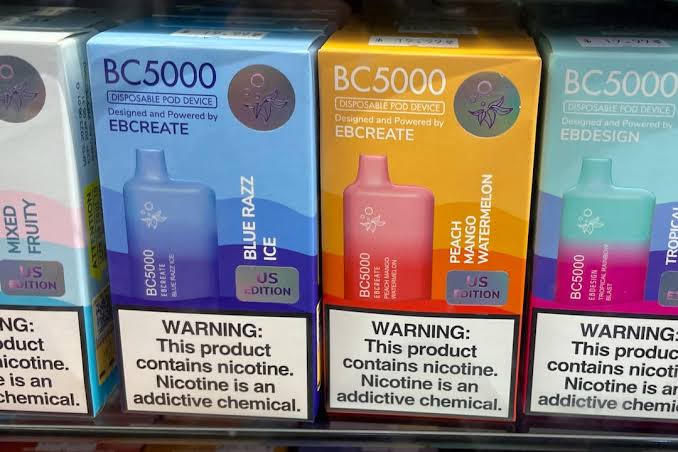
Despite the pod system’s recurring-revenue appeal, premium disposables like the VUCCI VC50000 continue to dominate wholesale volume for a reason: they eliminate every friction point in the retail chain. No coil changes, no e-liquid refills, no customer complaints about leaking pods, no warranty returns on depleted batteries. For the smoke shop owner who wants to stock a product that simply works out of the box, the disposable value proposition is unbeatable.
The VUCCI VC50000 specifically addresses the most common wholesale complaints about disposables — short lifespan and lack of customization — with its 50,000-puff capacity, adjustable airflow, 3D curved display, and dual-mode switching. At $2.40 FOB for 10K+ units, it delivers an 88% gross margin while retailing at $19.99, a price point consumers associate with premium quality rather than convenience-store impulse.
“We tested a 50/50 mix of VUCCI VC50000s and popular pod kits across 12 stores. After 90 days, the disposable inventory turned 4.2 times versus 1.8 times for pods. But the pod customers spent 2.3x more over the same period because of refill purchases. Both segments are essential.” — Multi-location operator, Houston TX
9. Decision Framework: When to Lean Disposable vs Pod
| Your Situation | Recommended Mix | Why |
|---|---|---|
| High-traffic smoke shop, urban area | 80% disposable / 20% pod | Impulse purchases dominate; fast turns |
| Suburban vape specialty store | 50% disposable / 50% pod | Enthusiast customers prefer customization |
| Distributor in flavor-ban state (MA, NJ) | 30% disposable / 70% pod | Pods with tobacco flavor stay compliant |
| Online-only wholesale | 65% disposable / 35% pod | Disposables ship easier, lower return rate |
| New business, limited capital | 90% disposable / 10% pod | Lower upfront cost, faster inventory turns |
Frequently Asked Questions
1. Which is more profitable per unit — disposable or pod system?
Disposable vapes typically deliver higher per-unit margins (76-88%) due to lower FOB costs. Pod systems have lower initial margins (45-55%) but generate higher lifetime revenue through refill pod repeat purchases.
2. Are disposable vapes legal in all 50 US states?
Federally, yes — any PMTA-authorized disposable can be sold in all 50 states. However, 17 states have enacted flavor restrictions that may limit certain disposable SKUs. Always verify state-level compliance before placing orders. Check the FDA CTP database for current authorization status.
3. Do pod systems require more shelf space?
Yes. A typical pod system program requires stocking the device (2-4 colors), refill pods (8-15 flavors at multiple nicotine levels), and replacement coils. A disposable program needs only the device SKU. Plan for 2-3x the shelf space for an equivalent pod selection.
4. What is the biggest risk of stocking pod systems for wholesale?
Dead stock. If a specific pod model or coil type loses popularity, the remaining inventory has limited secondary-market value. Disposables, by contrast, can be marked down and cleared in 30-60 days in most markets.
5. Can I carry both disposable and pod products in the same store?
Absolutely. The most profitable US distributors follow the 60-30-10 rule: 60% disposable for volume, 30% pod system for recurring revenue, 10% experimental/regional. This balances fast turns with customer retention.
6. How does the VUCCI VC50000 compare to a premium pod system in puff cost?
The VUCCI VC50000 delivers 50,000 puffs at a $2.40 FOB cost — roughly $0.000048 per puff. A pod system user spending $1.60 per 600-puff pod pays $0.00267 per puff. The disposable delivers 55x better puff economy at wholesale pricing.
7. Will pod systems eventually replace disposables in the US market?
Industry analysts project both formats will coexist through at least 2030. Disposables dominate convenience and impulse channels; pods dominate specialty retail and enthusiast segments. The Grand View Research 2026 report projects disposable market share will decline from 61% to 52% by 2029 but remain the single largest category.
8. What is the minimum order quantity for VUCCI VC50000?
Standard MOQ is 100 units for sampling, with volume pricing starting at 500 units. Tier pricing: 500 units at $3.20/unit, 2,000 units at $2.80/unit, 10,000+ units at $2.40/unit. Contact the VUCCI wholesale team for custom volume quotes.
Ready to build your 2026 product mix? Whether you lead with premium disposables like the VUCCI VC50000 or expand into refillable pods, the right wholesale partner makes all the difference. Request your VUCCI wholesale catalog or contact our US distribution team for volume pricing and compliance documentation.
Sources: Statista E-Cigarette Market Outlook 2026, FDA Center for Tobacco Products, Grand View Research Vaping Market Report 2026, Truth Initiative Policy Brief, CDC Youth Tobacco Survey 2026. All pricing data reflects verified 2026 FOB rates and may vary by supplier and shipping terms.